
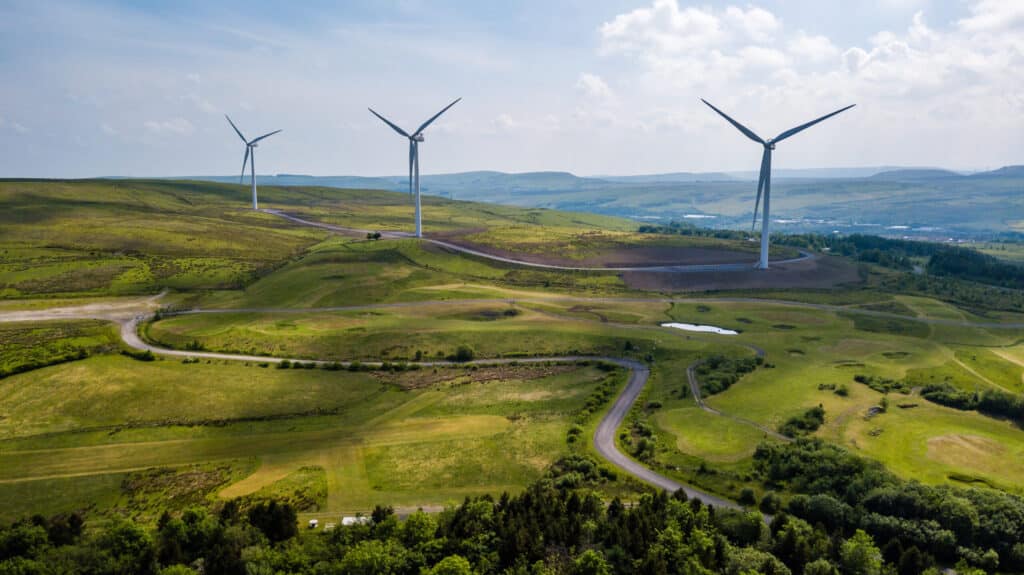
A new wind power record was set by the UK on 21st December 2023. During the half-hour period between 8am and 8.30am, 21.8GW of electricity was generated. This constituted 56% of the nation’s total output, reflecting a growing trend of wind energy making up a significant portion of the UK’s overall energy mix.
During this period, zero carbon sources were responsible for 60% of the country’s electricity supply, reaching a peak of 87% on 28th December at 2pm. What’s more, December was the month with the lowest average emissions corresponding to electricity generation at 122gCO2/kWh.
These are promising results, showing the impact of the UK’s efforts to hit its sustainability goals. However, there is still a long way to go before the UK achieves its goal of net zero by 2050.
A step in the right direction
With nuclear and renewable energy such as on shore and offshore wind and solar, the UK is demonstrating an encouraging move towards decarbonised energy. The December wind energy record beats the previous record set on 10th January 2023 (21.62GW).
The UK’s wind sector broke its generation record three times between October and December 2022. It generated more electricity than gas in the first quarter of 2023 (21TWh), and an impressive 95TWh throughout Q3 – over 10TWh more than was generated in the same quarter in 2022.
Wind generation is no breeze
While wind power is on the rise, so too are the challenges the renewable sector faces. Research by global insurance firm Allianz Trade revealed last year that the renewable sector is battling against higher interest rates and rising costs. In fact, 2023 suffered a decrease of billions in asset value during its first six months.
As such, big names are backing out of their wind power commitments. Energy developer Vattenfall announced a halt on its 1.4GW offshore wind farm off the Norfolk coast, putting the reason down to higher capital costs and inflation. Similarly, Developer Community Windpower confirmed recently that its onshore Scotland wind project has been halted due to a rise in development costs.
The UK’s target is to achieve an offshore wind capacity of 50GW by 2030. Despite recent improvements, this is still around five times its current capacities. The Government’s last Contracts for Difference (CfD) allocation round saw 95 clean energy projects accepted, but not a single offshore wind farm was included in this list of successful bids.
Contributing to a greener future
In order to meet the ambitious goal of net zero, changes need to be made on a governmental, commercial, and individual level.
And changes are being made. Renewable sector players are calling for the UK government to raise the bidding limits for new offshore wind farms by 25-70% to offset rising supply chain costs. The UK Treasury is also feeling the pressure to eliminate windfall tax on offshore wind farms to ease initial project costs.
What’s more, the Offshore Wind Industry Council (OWIC) recently revealed that broadening the UK’s offshore wind supply chain could unlock a £92 billion boost to the national economy by 2040.
Businesses also have a responsibility to engage in sustainability efforts, adjusting infrastructure, investing in internal education, and completing an energy audit to see where your potential weak points lie.
The ambitions of businesses to meet Net Zero goals – many of which are aligned to Science Based Targets and ten years ahead of the 2050 goal – will be vital in reaching the UK’s wider goals in the coming years. As momentum builds around clean energy production and the demand for it grows, it is hoped that the UK energy infrastructure will continue to respond accordingly.
Carbon reporting offers a clear path to greener business practices, calculating, reporting, and reducing your carbon footprint in the long run.